MYP Digital Design
MYP assessment criteria
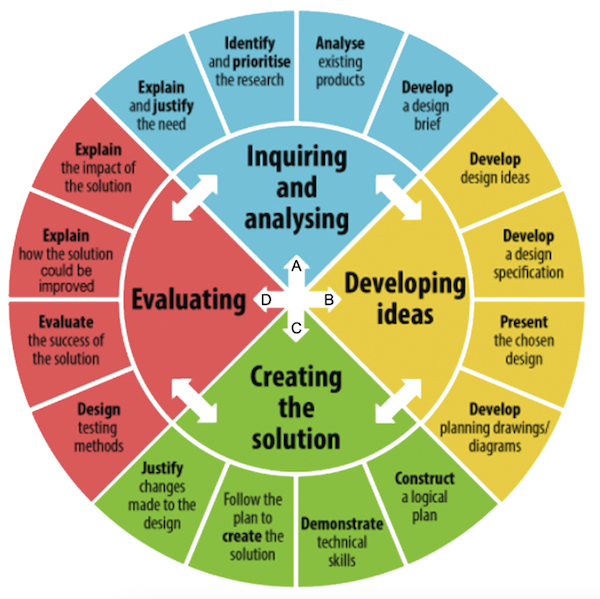
Criterion A: Inquiring & analysing
| 3A | Needs identification | Research planning | Inspiration analysed | Design brief |
|---|---|---|---|---|
| 1-2 | states the need for a solution to a problem | states some of the main findings of relevant research | ||
| 3-4 | outlines the need for a solution to a problem | states the research needed to develop a solution to the problem, with some guidance | outlines one existing product that inspires a solution to the problem | develops a basic design brief, which outlines some of relevant research |
| 5-6 | explains the need for a solution to a problem | constructs a research plan, which states and prioritizes the primary and secondary research needed to develop a solution to the problem, with some guidance | describes a group of similar products that inspire a solution to the problem | develops a design brief, which outlines the findings of relevant research |
| 7-8 | explains and justifies the need for a solution to a problem | constructs a research plan, which states and prioritizes the primary and secondary research needed to develop a solution to the problem independently | analysis a group of similar products that inspire a solution to the problem | develops a design brief, which presents the analysis of relevant research. |
Criterion B: Developing ideas
| 3B | Design specification | Design ideas | Design selection rationale | Planning drawing/diagrams |
|---|---|---|---|---|
| 1-2 | lists a few basic success criteria for the design of a solution | presents one design idea, which can be interpreted by others | creates incomplete planning drawings/diagrams. | |
| 3-4 | constructs a list of the success criteria for the design of a solution | presents a few feasible design ideas, using an appropriate medium(s) or explains describes key features, which can be interpreted by others | outlines the main reasons for choosing the design with reference to the design specification | creates planning drawings/diagrams or lists requirements for the chosen solution. |
| 5-6 | develops design specifications, which identifies the success criteria for the design of a solution | presents a range of feasible design ideas, using an appropriate medium(s) and explains key features, which can be interpreted by others | presents the chosen design and outlines the main reasons for its selection with reference to the design specification | develops accurate planning drawings/diagrams and lists requirements for the creation of the chosen solution. |
| 7-8 | develops a design specification which outlines the success criteria for the design of a solution based on the data collected | presents a range of feasible design ideas, using an appropriate medium(s) and annotation, which can be correctly interpreted by others | presents the chosen design and outlines the reasons for its selection with reference to the design specification | develops accurate planning drawings/diagrams and outlines requirements for the creation of the chosen solution. |
Criterion C: Creating the solution
| 3C | Time and resource planning | Technical skills | Functionality and presentation | Changes justified |
|---|---|---|---|---|
| 1-2 | demonstrates minimal technical skills when making the solution | creates the solution, which functions poorly and is presented in an incomplete form | ||
| 3-4 | outlines each step in a plan that contains some details, resulting in peers having difficulty following the plan to create the solution | demonstrates satisfactory technical skills when making the solution | creates the solution, which partially functions and is adequately presented | outlines changes made to the chosen design or plan when making the solution. |
| 5-6 | constructs a plan, which considers time and resources, sufficient for peers to be able to follow to create the solution | demonstrates competent technical skills when making the solution | creates the solution, which functions as intended and is presented appropriately | outlines changes made to the chosen design and plan when making the solution. |
| 7-8 | constructs a logical plan, which outlines the efficient use of time and resources, sufficient for peers to be able to follow to create the solution | demonstrates excellent technical skills when making the solution | follows the plan to create the solution, which functions as intended and is presented appropriately | explains changes made to the chosen design and plan when making the solution. |
Criterion D: Evaluating
| 3D | Testing methods | Success of the solution | Improvements possible | Impact |
|---|---|---|---|---|
| 1-2 | describes a testing method, which is used to measure the success of the solution | states the success of the solution. | ||
| 3-4 | describes a relevant testing method, which generates data, to measure the success of the solution | outlines the success of the solution against the design specification based on relevant product testing | lists the ways in which the solution could be improved | outlines the impact of the solution on the client/target audience. |
| 5-6 | describes relevant testing methods, which generate data, to measure the success of the solution | describes the success of the solution against the design specification based on relevant product testing | outlines how the solution could be improved | describes the impact of the solution on the client/target audience, with guidance. |
| 7-8 | describes detailed and relevant testing methods, which generate accurate data, to measure the success of the solution | explains the success of the solution against the design specification based on authentic product testing | describes how the solution could be improved | describes the impact of the solution on the client/target audience. |